Money tips for everyday life

How to Protect Yourself From Identity Theft and Credit Card Fraud
More personal and financial data is exchanged online than ever, and cyber hacks and identity theft continues to grow. That's why understanding how to protect yourself – both online and offline – is more critical than ever.
Becoming a victim of credit card fraud or identity theft could have serious long-term affects that cause chaos on your finances, credit, and more. Staying proactive in protecting your financial and personal information could reduce the chances that you will be one of the millions of people who have their information stolen every year.
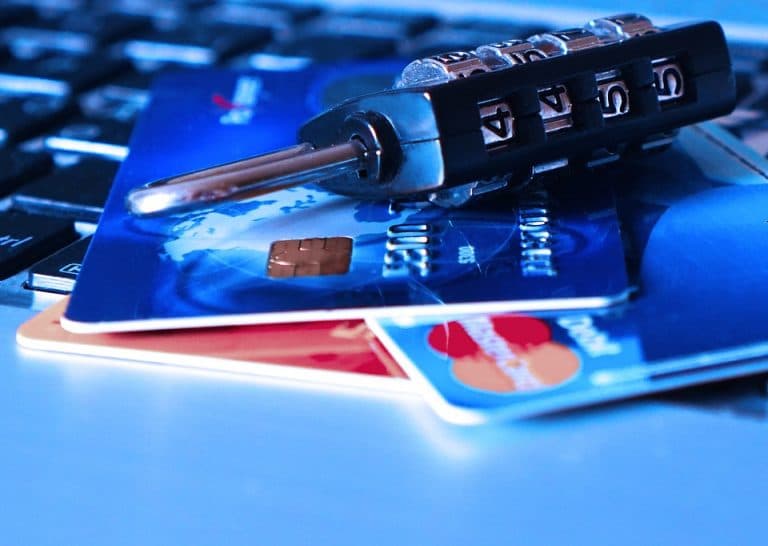
Get proactive to prevent identity theft and credit fraud
Be careful how and with whom you share your information
- Don’t provide any financial or identification information over the phone unless you initiated the call or the caller is from a company you already have an account with and the caller has made it clear that they are calling about something relevant to your account. If you have any doubts, tell the caller that you will call them back and be sure to use the phone number available on the public website.
- Never send your personal information, credit card, or account numbers via email, over instant messaging services, or text. These channels may not be secure and are a popular way for scammers to engage in identity theft.
- Don’t carry your social security card with you. Store it in a safe place at home or in a bank safe deposit box.
Protect your physical credit card
- Sign your card or write in “Check ID” to prevent someone else from putting their signature on the card. Consider a card with extra security features, like a photo ID.
- Only carry the cards you need, especially if you’re traveling.
- Keep an eye on your card when you use it to pay, and be sure to retrieve it before leaving.
Practice strong account management
- Check your account statements, review your receipts, and notify the card issuer immediately of any unauthorized or suspicious activity. Credit card balance alerts are a great way to stay on top of any out-of-the-ordinary spending on your cards.
- Be sure to keep your address, phone and email information up to date with your issuer so they have the most updated information to contact you if necessary.
- Go paperless if you typically review your accounts online – no need to have unwanted paper stack up! If you prefer to stay with paper, file the statements in a safe place and shred them before you toss them.
Monitor your credit
- Set up any alert features if you haven’t already done so. Regular credit score monitoring, such as Upgrade’s Credit Health, is another great way to keep tabs on your credit situation.
- Free credit reports are available once a year from each of the three major credit bureaus. If you stagger those across the year, you can review the activity on your reports every four months.
Practice good online security habits
- Get skeptical: hackers are looking for ways to access your inbox. These thieves have clever ways of making you want to click on a link that can give them access to your login details or other information that they can use to steal your information. Double check the source of any email you open and don’t click on weird links or download files from any unknown senders.
- Shop smart: only shop online at established businesses and only use your card over secure networks when making transactions (look for https in the URL). Make sure your computer has a firewall and avoid conducting any transactions over public Wi-Fi.
- Log off: be sure to log off after completing a transaction, or shut down your browser if you can’t log off.
- Stay updated: keep all your software—including browsers and virus protection—updated.
- Be smart with your passwords: use passwords that are easy for you to remember but difficult for others to guess. Avoid creating passwords with names, birthdays, anniversaries and other obvious combinations. Change your passwords frequently and don’t use the same password for all accounts. You can try a password management program or app, which can help you keep track of your various passwords without having to write them down.
- Use multi-factor authentication: this is an added layer of security in which a thief would have to not only know your username and password, but also have access to one of your secondary devices. When you try to log into one of your accounts you will be prompted to also use a PIN, which is sent to your mobile phone or other device that you have verified. Once you enter that PIN you have access to the website or account you’re trying to log into.
What to do if you’re the victim of identity theft or credit fraud
If you discover that any of your finances or identity has been compromised, don’t panic. Here’s a checklist of things you should do:
- Take action: immediately report lost or stolen cards to the issuer.For most credit cards, your liability is limited to $50 if you report the loss promptly. A growing number of issuers are offering “zero liability” cards, too.
- Update your passwords: for any accounts that were compromised, update your passwords immediately.
- Set up fraud alerts with the credit bureaus: you can set up fraud alerts with any of the three major credit bureaus (TransUnion, Equifax and Experian). The bureau you contact will notify the other two and alerts will be added with those bureaus as well. A fraud alert will notify lenders that you may have been affected by fraud and any potential lenders should contact you before granting any new line of credit in your name. This fraud alert will stay on your credit report for 90 days but you can renew the fraud alert when it expires
- Freeze or lock your credit file: a security freeze will prevent potential lenders from accessing your credit report and opening new credit cards or loans in your name. That said, that also means that it stops you from opening any new accounts. So, if you want to apply for credit or a loan during this time you’ll need to remember to lift the freeze a few days beforehand or consider postponing the security freeze if you’re looking for credit immediately.
- File an Identify Theft Affidavit: if you believe your identify has been stolen you should contact the Federal Trade Commission (FTC) and file an Identity Theft Report. You can do this online or by phone (1-877-ID THEFT) or by mail (600 Pennsylvania Ave., Washington DC 20580.
- File a police report: if you believe your credit card has been stolen you should file a report with your local police department. If you are a victim of stolen identity, you should also file a police report. Get a copy of the police report and/or the report number. Your police report and the FTC Identity Theft Affidavit together create your Identity Theft Report. Completing the steps to get your Identity Theft Report will help you when working with the credit reporting agencies or any other entities the identity thief may have contacted to open accounts in your name.
- Close fraudulent accounts and dispute bogus charges: contact your credit card company or any lender where a new account was opened in your name and ask them to remove fraudulent charges and close fraudulent accounts.
- Review your credit report and dispute any fraudulent information: check your credit report and make sure there are no fraudulent accounts or charges reflected there. If there is erroneous information on your report, contact each of the major credit bureaus to correct your information.
- Stay alert: scammers who get a hold of your data could use it at any time. Remain watchful for any odd activity and report it quickly if it happens. Credit score monitoring, account balance alerts, and other online tools are a convenient way to keep tabs on your credit and financial health.
Final Thought
If a fraudster gets a hold of your financial information or personal information, it could have a serious impact on your future, affecting your credit score or your finances, which in turn can create other challenges – a big headache, worries and stress.
Prevention starts with knowing the security basics – how to be smart about sharing your information online and how to protect your personal and financial information so you can minimize the chances of a scammer stealing your information. Signing up for free credit monitoring like Upgrade’s Credit Health. Keeping tabs on your credit score and your finances for any unusual activity easier and can help you catch identity theft early and take action quickly if you find that your information or accounts have been compromised.
If you find that you’re a victim of identity theft or credit fraud, don’t panic. Follow the steps to secure your accounts, monitor your reports and stay alert.